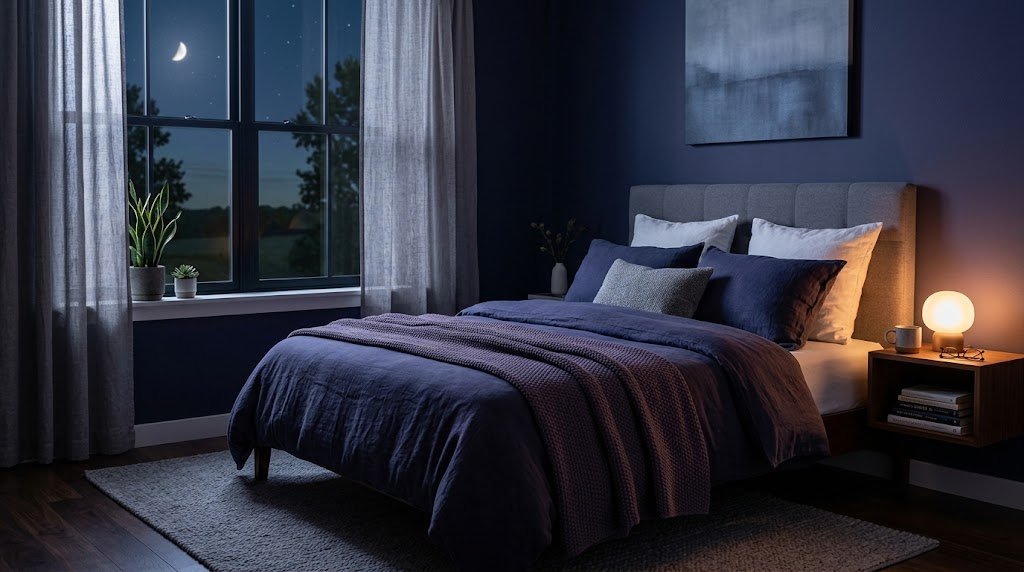
How to Fall Asleep Faster: 12 Science-Backed Tips That Actually Work
Can’t fall asleep no matter how tired you feel? You’re not alone. Millions of people lie awake every night, staring at the ceiling, waiting for sleep that just won’t come.
The good news: falling asleep faster is a skill you can train. With a few simple changes, most people can cut the time it takes to drift off from 30+ minutes down to under 15.Here are 12 science-backed tips to help you fall asleep faster, starting tonight.
Why Can’t You Fall Asleep?
Before the fixes, it helps to know the cause. Most sleep struggles come down to a few common reasons:
- Too much screen time before bed
- Caffeine too late in the day
- An irregular sleep schedule
- A bedroom that’s too warm or bright
- A racing, stressed mind
The tips below target each of these directly.
1. Keep a Consistent Sleep Schedule
Go to bed and wake up at the same time every day, even on weekends. Your body has an internal clock, and consistency trains it to feel sleepy at the right time.
Within a week or two, you’ll start feeling naturally tired at your set bedtime.
2. Cut Screens 60 Minutes Before Bed
Phones, laptops, and TVs give off blue light that blocks melatonin, the hormone that makes you sleepy.
Try switching off screens an hour before bed. If you must use your phone, turn on night mode or wear blue-light glasses.
3. Cool Down Your Bedroom
Your body needs to drop its temperature slightly to fall asleep. A warm room fights against this.
Set your bedroom to around 18 to 20°C (65 to 68°F) for the easiest drift-off.
4. Try the 4-7-8 Breathing Method
This simple technique calms your nervous system fast:
- Breathe in through your nose for 4 seconds
- Hold your breath for 7 seconds
- Breathe out slowly through your mouth for 8 seconds
Repeat 4 times. Many people feel drowsy after just a few rounds.
5. Avoid Caffeine After 2 PM
Caffeine can stay in your system for 6 to 8 hours. That afternoon coffee could still be working against you at bedtime.
Switch to water, herbal tea, or decaf in the afternoon.
6. Get Sunlight Early in the Day
Morning sunlight sets your body clock and boosts nighttime melatonin. Aim for 10 to 15 minutes of natural light within an hour of waking.
7. Don’t Lie in Bed Awake
If you can’t sleep after 20 minutes, get up. Do something calm and boring in dim light, then return to bed when you feel sleepy.
This stops your brain from linking your bed with frustration.
8. Write Down Your Worries
A racing mind is one of the biggest sleep killers. Keep a notepad by your bed and jot down whatever’s on your mind before lights out.
Getting thoughts onto paper helps your brain let go of them.
9. Limit Long Daytime Naps
Naps can be great, but long or late naps steal your night’s sleep. If you nap, keep it under 30 minutes and before 3 PM.
10. Make Your Room Dark
Even small amounts of light can disrupt sleep. Use blackout curtains or a sleep mask to keep your room fully dark.
11. Watch What You Eat Before Bed
Heavy or spicy meals can cause discomfort that keeps you awake. Finish big meals at least 2 to 3 hours before bed. If you’re hungry, a small light snack is fine.
12. Build a Wind-Down Routine
Signal your brain that sleep is coming. A simple routine, like dimming lights, reading a few pages, or gentle stretching, tells your body it’s time to rest. Do the same steps each night and your brain will start to expect sleep.
How Long Should It Take to Fall Asleep?
A healthy amount of time to fall asleep is between 10 and 20 minutes. Falling asleep the instant your head hits the pillow can be a sign you’re sleep-deprived. Taking longer than 30 minutes regularly may point to a sleep issue worth addressing.
The Bottom Line
Falling asleep faster comes down to preparing your body and mind for rest. Start with one or two tips tonight, like the 4-7-8 breathing method and cutting screens early, then build from there.
Small, consistent changes make the biggest difference. Give it a week, and better sleep will start to feel automatic.